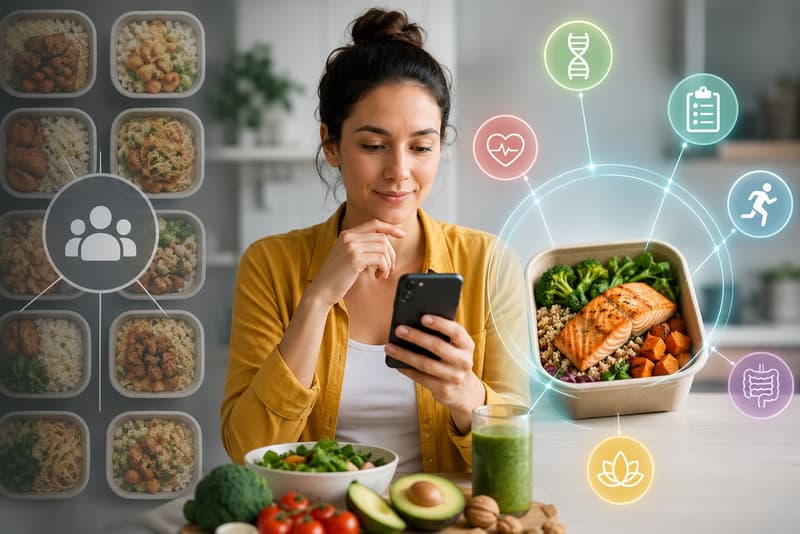
Food used to be planned around broad categories: low-calorie, family-size, vegetarian, or budget-friendly. That worked when choices were limited, and shoppers had fewer ways to compare options. Today, consumers expect meals, groceries,s and wellness tools to fit their habits, goals, tastes, and schedules. For this article, current food tech coverage, consumer shopping behavior, and personalized nutrition research were reviewed to understand why startup teams are moving away from fixed plans.
For general consumers, this shift is easy to feel. A plan that works for one person may not work for another person in the same home. One shopper may need quick lunches, another may want higher-protein dinners, and someone else may be avoiding certain ingredients. A single preset box or rigid meal plan can miss too much.
That is why food tech startups are building around flexibility. Personalization can help remove guesswork, reduce decision fatigue, and make healthy eating feel more practical during a busy week.
Why Fixed Food Plans Are Losing Their Appeal
One-size-fits-all food plans sound simple, but they often create friction. Consumers may like the idea of a ready-made plan, but then run into problems once real life gets involved. Preferences change, schedules shift, and the food that looked good on Sunday may not work by Wednesday.
This matters most when people are trying to build better habits. A healthy eating plan is easier to follow when it fits what someone already likes, not when it feels like a strict rulebook. If a plan includes meals that take too long, ingredients that go unused, or flavors that do not match the household, the plan becomes another chore.
Personalized food platforms aim to solve that by learning from choices over time. They can account for diet style, household size, cooking comfort, prep time, budget needs, and favorite ingredients. The result is not just a list of meals, but a shopping experience that feels more useful.
For example, a consumer looking for the best online grocery store for healthy eating may care less about having the largest catalog and more about finding options that match personal routines. That can include simple recipes, snack preferences, grocery staples, and filters that make repeat shopping easier.
Food tech startups see this as a major business lesson. The product is no longer just food delivery or grocery access. The product is a decision support. When a service helps people choose faster and waste less time, it becomes part of the weekly routine.
How Personalization Makes Healthy Eating Easier
Healthy eating is not only about information. Most consumers already know that fruits, vegetables, balanced meals,s and smart portions matter. The harder part is turning that knowledge into repeatable choices.
Personalization helps by clarifying the next step. Instead of asking shoppers to search through hundreds of products, platforms can suggest foods based on past behavior and stated goals. A person who wants dairy-free breakfasts should not need to sort through items that do not apply. A busy parent should not need to compare every recipe from scratch after a long day.
This is where food tech has an edge over old grocery models. Digital platforms can use simple onboarding questions, order history, and preference settings to narrow the field. The best systems still give shoppers control, but they reduce the work needed to make good choices.
Personalization can also support variety. Many people quit healthy eating routines when meals become boring. A smart platform can rotate options while staying inside a shopper’s comfort zone. That balance matters. Too much repetition feels dull, while too much novelty can feel risky or expensive.
Consumer demand is moving in this direction. According to a 2025 McKinsey consumer wellness survey, a growing share of shoppers said they were more likely to stay loyal to brands that offered personalized recommendations tied to dietary goals and lifestyle preferences. Industry coverage has also highlighted how platforms like Instacart and Hungryroot are expanding AI-assisted recommendations and personalized meal planning tools to improve customer retention and simplify repeat shopping.
Consumer demand is moving in this direction. Industry research shows growing interest in personalized nutrition, including tools that connect food choices with lifestyle, health goals,s and dietary needs. Recent food shopping coverage also points to a rise in AI-assisted filters and recommendations for people with dietary preferences.
For startups, the appeal is clear. Personalization can improve retention. When customers feel understood, they have fewer reasons to start over somewhere else. A well-matched plan can also reduce skipped weeks, canceled boxes, and unused groceries.
What Startups Are Really Learning From Consumers
The move toward personalization is not only about technology. It reflects a deeper change in how consumers think about food. People want convenience, but not at the cost of control. They want help, but not a plan that feels forced.
That creates a different standard for food tech startups. A useful platform needs to answer practical questions:
● What can be cooked fast?
● What fits current goals?
● What avoids disliked ingredients?
● What works for the whole household?
● What makes the next grocery order easier?
This also changes how startups should talk about value. Consumers do not need vague promises about smarter food. They need clear ways the service saves time, reduces stress, or helps them stay consistent.
There is also a trust factor. Food is personal. Shoppers may be open to recommendations, but they still want transparency. They need to understand why something is being suggested and how to change it. A personalized plan should feel like a helpful guide, not a locked-in system.
Startups that get this right can build stronger relationships with customers. They can learn from feedback, improve suggestions, and create a shopping flow that becomes more relevant with each order. That is difficult for static plans to match.
The best personalization also respects real life. Some weeks call for quick prepared options. Other weeks allow more cooking. Some households want budget-friendly basics, while others care more about special diets or new flavors. The winning model is flexible enough to adjust without making the shopper start from zero.
The Future Belongs to Food That Fits Real Life
Food tech startups are focusing on personalization since consumers are tired of plans that ignore how they actually live. Healthy eating does not happen in a perfect routine. It happens between work, family, errands, cravings, budgets, and changing schedules.
That is why personalization has become more than a feature. It is a way to make food planning feel easier and more realistic. The startups that succeed will likely be the ones that give consumers useful choices, clear guidance and enough flexibility to keep going.
A one-size-fits-all plan can still offer structure. A personalized experience can offer structure that adapts. For shoppers trying to eat better without adding more work to the week, that difference matters.